What Is an AI VentureFactory? How Software Is Eating the Startup Studio
22 June 2026
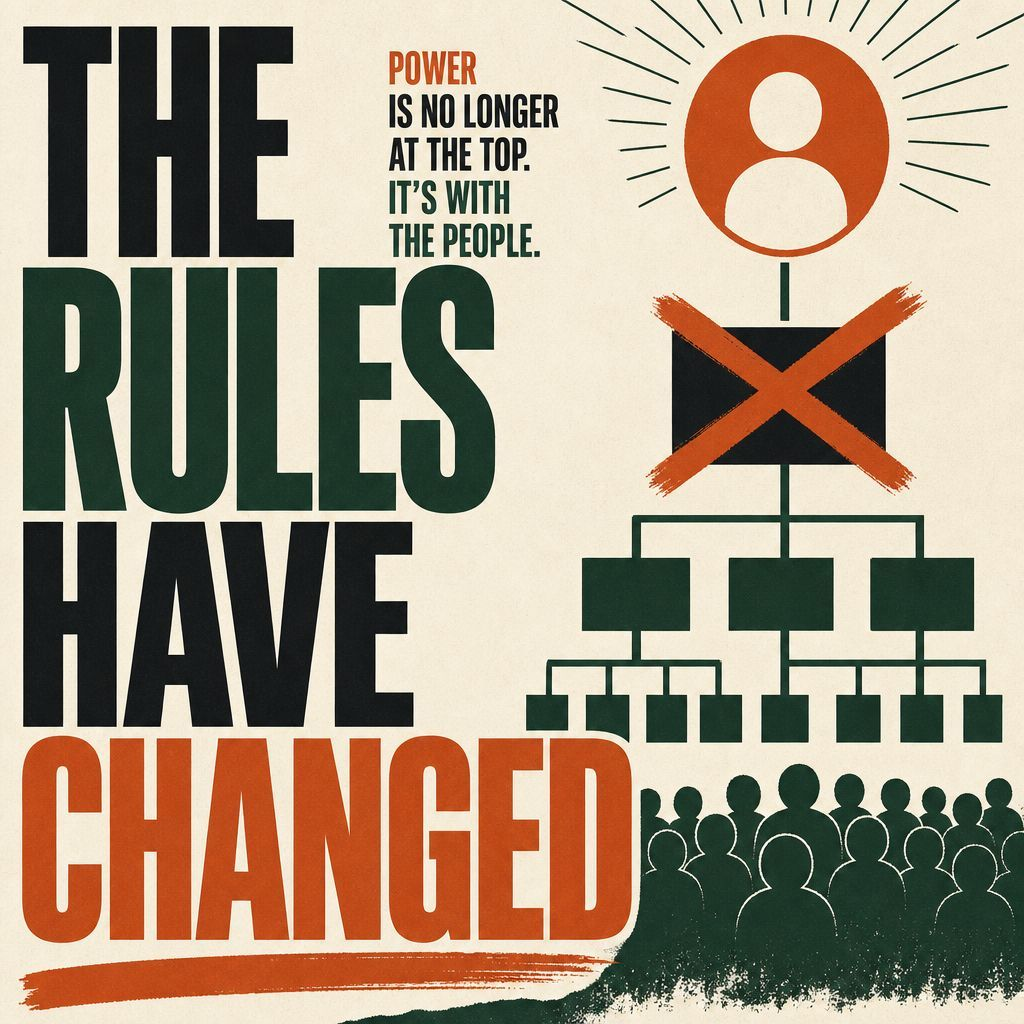
The startup studio model promised founders a shortcut: plug into a team of operators, get capital and shared services, and build faster. For a decade, it worked for some founders, and reliably for the studios. Today, something fundamentally different is happening. The AI VentureFactory is putting the operational horsepower directly into the hands of founders themselves including the vast majority who never had access to a studio in the first place.
This isn't a marginal upgrade to existing tools. It's a structural shift in how startups get built and if you're a first or second-time founder, you need to understand what it means for you.
The Evolution of Venture Studios and Their Limits
Traditional venture studios emerged as a response to a real problem: most first-time founders lack the expertise, network, and resources to execute across product, finance, marketing, legal, and fundraising simultaneously. Studios filled that gap by providing a team around you.
The trade-off was significant. Studios typically take 20–40% equity. They work on their timeline, not yours. Their attention is split across a portfolio. And when you graduate, you're largely on your own anyway.
To be fair: for founders whose business fits a studio's thesis, and who win that competitive selection process, the model can work well. Efounders alumni have built Frontapp, Spendesk, and Aircall. The studio model isn't broken it's just inaccessible to most founders, and expensive for those who do get in.
What has never been delivered as a fully integrated, AI-native system, until now, is multi-disciplinary startup expertise available as software. Software that's always on, costs a fraction of a studio arrangement, and scales with you from idea to exit.
What an AI VentureFactory Actually Does
An AI VentureFactory is a platform that replicates the structured, stage-gated methodology of the best venture builders and delivers it through AI agents, guided frameworks, and integrated tools.
Think of it as the operating system for your startup. Instead of hiring a CFO to initiate your financial model, you use AI informed by the frameworks and methodologies used across hundreds of successful startup builds. Instead of paying a consultant to structure your go-to-market, an AI co-founder walks you through the same process a growth operator at a top studio would run — systematically, step by step.
The key difference from generic AI tools like ChatGPT or Notion AI is that an AI VentureFactory is venture-context-aware. It doesn't just answer questions, it knows where you are in your startup journey. If you're at pre-seed stage, it focuses on customer discovery, not the Series A fundraising deck you don't need yet. It knows what stage-appropriate decisions look like, and how to keep you progressing toward a fundable, scalable company.
The LettsGroup VentureFactory is built on exactly this model. It is an all-in-one AI platform that guides founders through every stage from idea validation to investor readiness, without requiring a studio's equity stake, a consultant's day rate, or a coveted place in a competitive accelerator cohort.
The ROI Comparison: Studio vs. AI VentureFactory
Let's be direct about numbers.
A traditional accelerator takes 6–10% equity for ~£100k in funding and 12 weeks of programme support. A venture studio typically takes 20–40% equity for longer-form support across 12–24 months. A fractional COO or growth consultant costs £5,000–£15,000 per month.
An AI VentureFactory subscription costs a fraction of any of the above and is available 24/7, across every function, from day one.
That's not to say human mentors, networks, and investors don't add value. They absolutely do, and no software replaces a warm VC introduction or a credible brand signal. But the operational execution layer — the research, the frameworks, the documentation, the financial model first drafts, the market analysis - that's now something a founder can initiate and iterate on themselves, with AI as the engine.
For the first time, a solo founder with a laptop and a subscription can execute across product, finance, marketing, and fundraising simultaneously — without a team. That's a genuinely new capability, and it matters most for founders who've never had a studio, an accelerator, or a seasoned operator in their corner.
Why AI Venture Builders Are Gaining Ground in 2026
Three forces are converging to make the AI venture builder model increasingly compelling right now.
1. Foundation model capability has reached a useful threshold. Large language models can now produce credible first drafts of every operational layer — financial models, go-to-market plans, investor materials, legal document structures — that previously required expensive specialists to initiate. These aren't finished products; they're intelligent starting points that compress weeks of work into hours.
2. Founder cost pressure is real. In a tighter funding environment, founders cannot afford to burn cash on service providers who charge for time, not outcomes. Software subscriptions that deliver repeatable, structured outputs are structurally better economics at the early stage.
3. The methodology gap is closing. The structured playbooks behind the best accelerator programmes, from YC's Startup School to Sequoia's Arc, have always been available to a small number of founders inside those ecosystems. AI now makes that level of structured methodology available to any founder, regardless of geography, network, or pedigree. The introductions and brand signal still belong to the elite programmes. But the frameworks, the rigour, the stage-gated thinking? That's now accessible.
The result: a first-time founder in Manchester or Toronto can now work through the same structured venture-building methodology as a cohort company at a top accelerator. That's the real promise of the AI VentureFactory.

That's the real promise of the LettsGroup AI VentureFactory.
What It Doesn't Replace — and Why That's Important to Say
Credibility matters in thought leadership, so let's be clear about what an AI VentureFactory is not.
It is not a substitute for a great investor network. It does not give you the YC brand on your pitch deck. It doesn't replace the judgement of a domain expert who's built in your specific market. And AI-generated outputs, financial models, pitch decks, market analyses, require a founder's own knowledge, assumptions, and editing to become genuinely investor-ready.
What it does do is eliminate the execution gap between having an idea and having a professionally structured, investor-ready startup. For founders who previously couldn't afford the team, couldn't access the studio, and didn't win the accelerator lottery that gap was the difference between building and not building.
Conclusion: A New Layer in the Startup Ecosystem
The LettsGroup AI VentureFactory isn't here to replace every form of human expertise in startup building. It's here to fill the enormous gap that has always existed between having an idea and having the operational scaffolding to execute on it. Its a gap that studios and accelerators serve for a privileged few.
For the founders who never had access to that scaffolding, AI changes everything.
If you're serious about building a startup in 2026 and beyond, the question isn't whether to use an AI venture builder. It's whether you can afford not to.
The LettsGroup VentureFactory is built specifically for first and second-time tech, digital, and product founders in the UK and North America — with every tool you need to go from idea to exit, in one platform. No equity taken. No application required. No waiting for a cohort.